
In the bustling world of health and wellness, one ingredient has been steadily gaining traction for its remarkable benefits: collagen. Often touted as the key to youthful skin, strong joints, and a healthy gut, collagen is more than just a buzzword. It’s a fundamental protein that plays a vital role in our overall well-being. But with so much information out there, it can be tricky to navigate the world of collagen. Where do you start? What type is best? And how do you incorporate it into your daily routine? Let’s dive in and explore how you can get the benefits of collagen in your daily life.
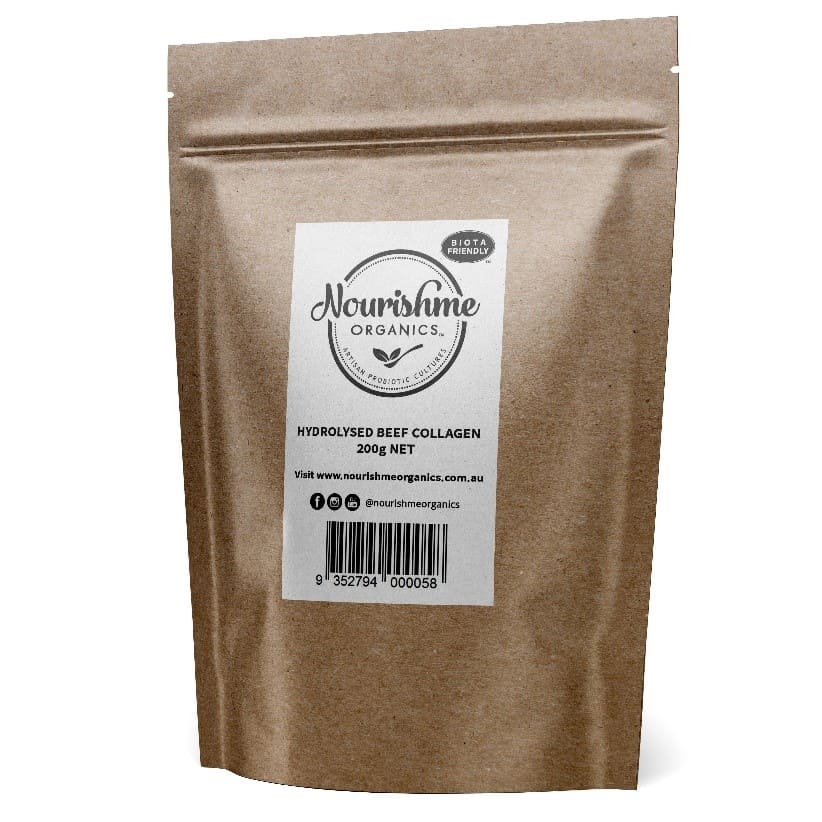
This simple guide is designed to demystify collagen, providing you with a clear understanding of its benefits and how to harness its power for radiant health. We’ll explore what collagen is, its various types, and, of course, how you can incorporate it into your diet to feel and look your best. Whether you’re looking to improve your skin’s elasticity, alleviate joint pain, or simply boost your overall health, this guide will provide the knowledge you need to make informed choices.
What Exactly is Collagen?
Collagen is the most abundant protein in the human body, acting as the primary structural component of our skin, bones, tendons, ligaments, and other connective tissues. Think of it as the “glue” that holds everything together. It provides strength, elasticity, and support to these tissues, allowing us to move freely and maintain our physical integrity.
Our bodies naturally produce collagen, but as we age, this production starts to decline. This decline typically begins in our mid-20s and continues throughout our lives. Factors like sun exposure, smoking, and a poor diet can accelerate this process, leading to visible signs of ageing such as wrinkles, joint pain, and decreased bone density. This is where supplementing with …